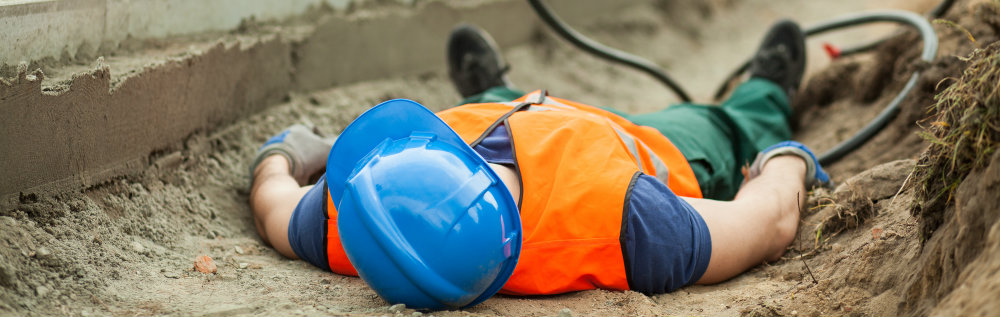
Construction job sites are dangerous places to work. In 2019, 20% of worker fatalities were in construction. Many of the accidents on a construction job site are due to negligence, unsafe worksite practices, improper use of tools and equipment, and lack of protective safeguards. Leading causes include the ‘fatal four’: falls, struck by object, electrocution and caught-in/between.
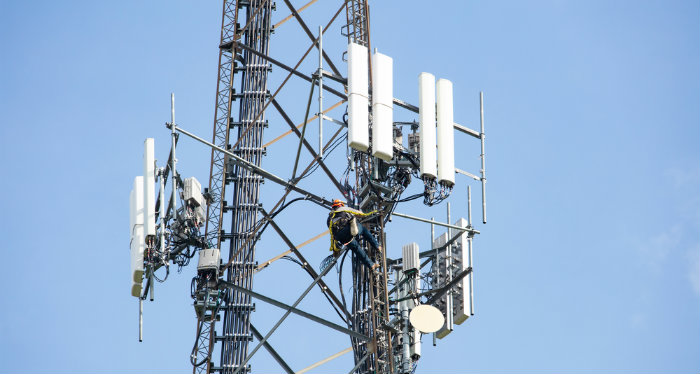
The growth of the cell phone industry means the need for more cell tower installations, along with frequent upgrades and repairs to more than 280,000 cell towers across the country.
Tower climbers build, maintain and repair the towers – replacing cables, antennas and other network gear, inspecting and ensuring everything is working properly. To do this, they scale towers up to 500 feet, sometimes more, in height.
Accidents and injuries happen all the time. What happens if you injure yourself in a work-related accident? What are your options? Who takes care of your medical expenses? How do you know if you should file a workman’s compensation claim or pursue a personal injury claim?
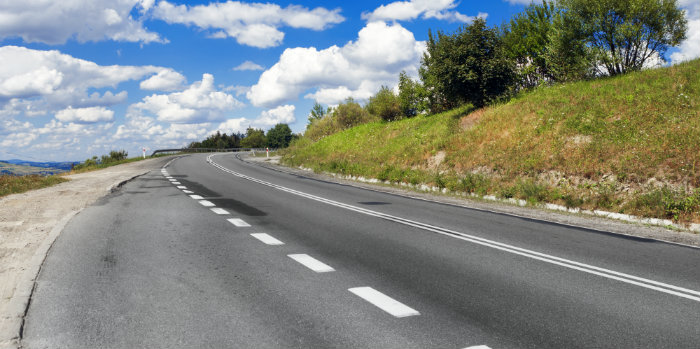
As a driver, you trust that the roads you drive on day in and day out have been designed and are maintained for your safe passage. Unfortunately, accidents happen. Cars skid, slide, run off the road down embankments, collide with other vehicles and more.
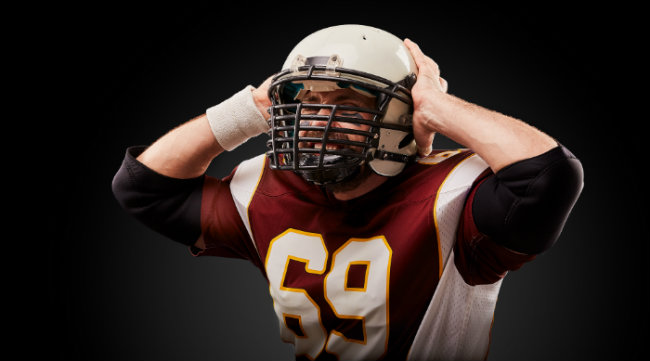
Football is a popular but dangerous sport. Players suffer many different types of injuries, from minor sprains to broken bones and more serious conditions including concussions and football-related traumatic brain injuries. Player safety is a major concern at all levels of the game, from high school to college to professional leagues.
Published: September 12, 2019 • Updated: April 23, 2026
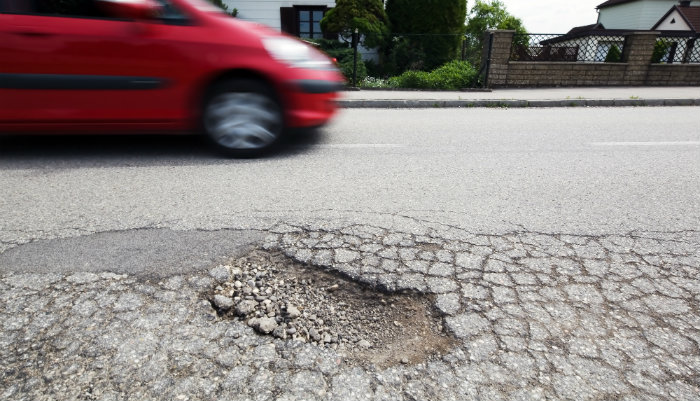
Car accidents happen for many reasons — distracted driving, defective vehicle parts, impaired driving, and more. But one major cause often gets overlooked: dangerous road conditions. Every year, poorly designed or poorly maintained roads contribute to thousands of crashes, leaving drivers injured and families devastated.

Summer and early fall are some of the best times of the year to rev up your motorcycle and hit the open road. The warm weather, open roads, and long days create an ideal environment for motorcycle enthusiasts. But with that comes an increase in road congestion and a higher risk of accidents—not just for cars but for motorcycles as well.
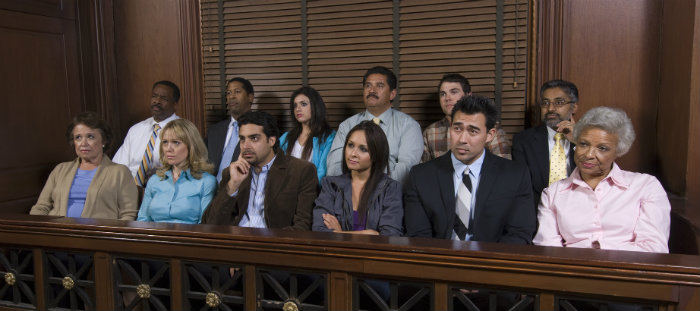
In 2015, Gary Kline took Zimmer to court over its Durom Cup metal-on-metal hip implant. The jury found Zimmer liable for his health issues; however, the damages awarded were overturned on appeal. The trial court, in a decision upheld on appeal in 2018, ordered a new trial leading to a damages-only retrial.
The jury, asked to rule strictly on damages, unanimously awarded $7.68 million to Kline: $80,460.19 in past economic losses; $3.6M in past non-economic losses; and $4M in future non-economic losses.

The US Food and Drug Administration approved new warnings about an increased risk of blood clots and of death with the 10 mg twice daily dose of tofacitinib (Xeljanz, Xeljanz XR), which is used in patients with ulcerative colitis.
This new warning, issued July 26, 2019, comes just a few months after the first warning issued February 25, 2019.

Lawsuits against Johnson & Johnson for its failed Pinnacle hip device began in 2010. Since then, J&J has faced several federal jury trials over its Pinnacle hip device. While the company won the first trial in 2014; it lost three others afterward awarding plaintiffs more than $1.7 billion.