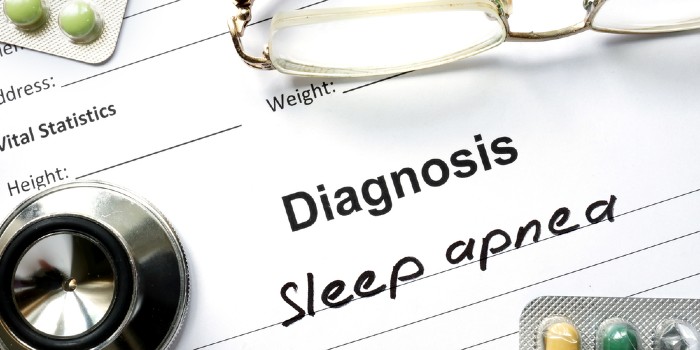
According to Johns Hopkins, “sleep apnea happens when upper airway muscles relax during sleep and pinch off the airway, which prevents you from getting enough air. Your breathing may pause for 10 seconds or more at a time until your reflexes kick in and you start breathing again.”
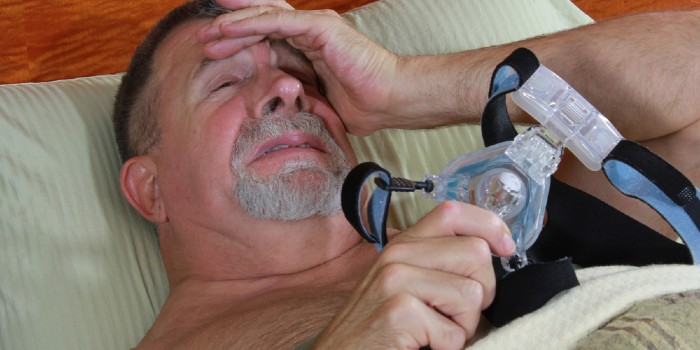
In June of this year, we heard about a voluntary recall made by Philips Respironics of potentially serious health risks related to several of its CPAP, BiPAP and ventilator devices caused by the machines’ sound abatement toxic foam.
START YOUR FREE CASE EVALUATION TODAY

Updated January 2026
Filing a personal injury claim can feel overwhelming, especially when you’re dealing with pain, medical appointments, and financial stress. While no attorney can guarantee a specific outcome, understanding factors that can influence a claim can help you avoid costly mistakes that may reduce your compensation—or even lead to a denied claim.
Below are eight important things to know during the claims process.
When you have been seriously injured in a car accident, it could take months before a settlement amount is agreed upon and the negligent driver’s insurance pays it out. In the meantime, medical bills are piling up.
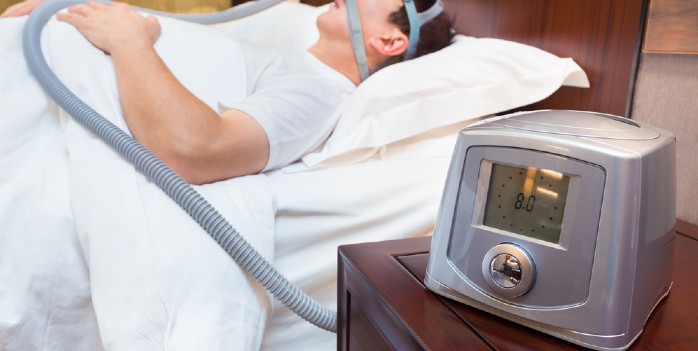
On June 14, 2021, a voluntary recall was announced affecting three to four million Philips Respironics CPAP, BiPAP, and mechanical ventilator devices due to potentially serious health risks related to the machine’s sound abatement foam.
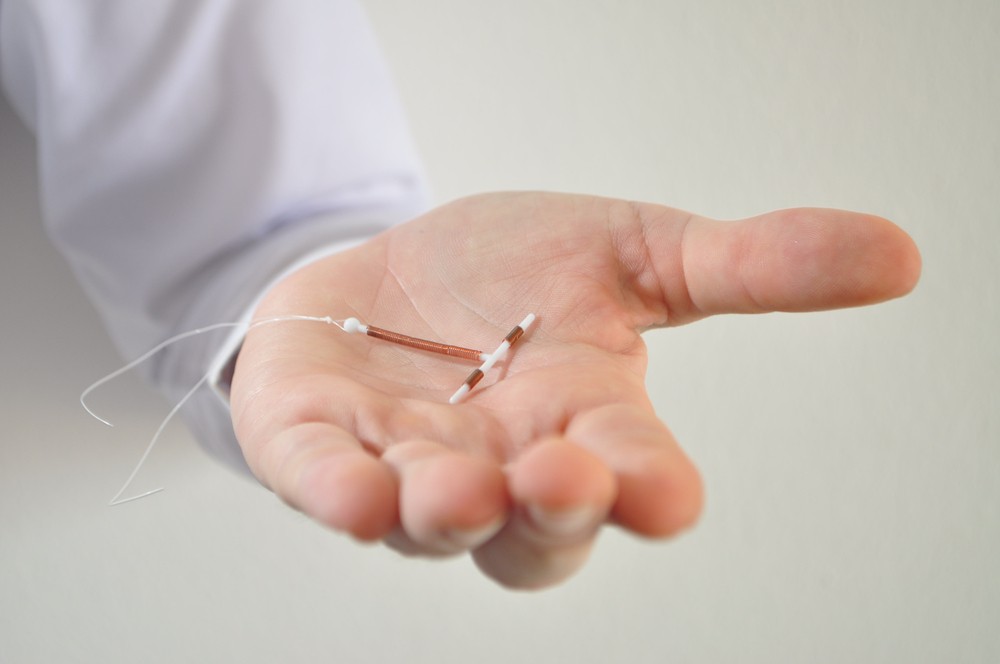
Paragard, a popular intrauterine birth control device used by thousands of women, is prone to breakage and fracturing, which can lead to serious complications. And, there is evidence that the maker, Teva Pharmaceuticals, has been aware of this issue since at least 2013.
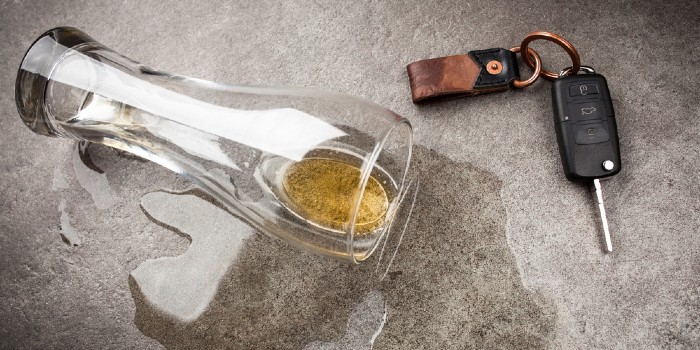
No question, impaired driving is a serious safety risk on our roads. Consuming any substance, whether it is alcohol, prescription meds, or illicit drugs, impacts driving skills. It slows reaction times and your judgment, makes drivers more aggressive and reckless, and causes extreme drowsiness, all of which can lead to car accidents.
Bottom line, the decision to drive while impaired is truly one of gross negligence. If you have been seriously injured in a car accident where the other driver was under the influence, contact the law office of Nash & Franciskato for a free, no-obligation review of your case.
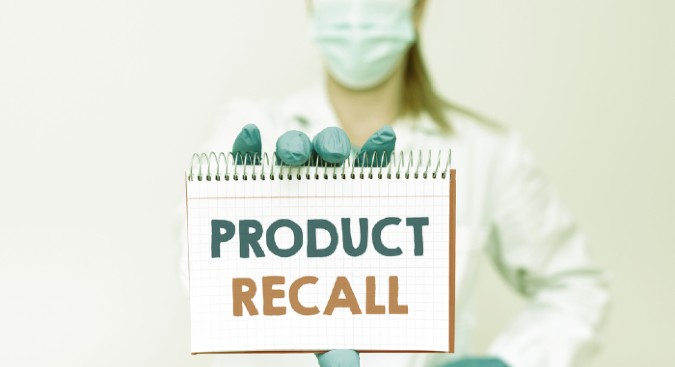
One in 15 adults in the United States – roughly 18 million people – suffer from obstructive sleep apnea. One of the most common treatments is using a CPAP machine which keeps the airway open with a gentle, constant stream of pressurized air. However, in June, millions of CPAP and other breathing devices made by Philips Respironics were recalled due to possible health risks and potential dangerous sound abatement foam.
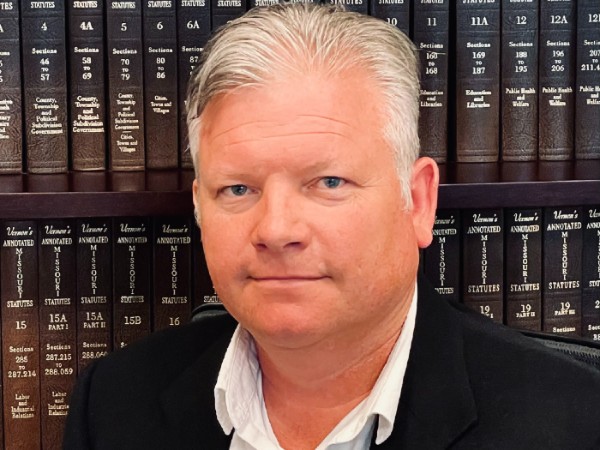
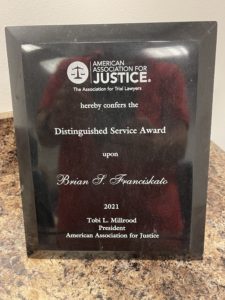
Nash & Franciskato Law Firm is proud to announce that partner, Brian Franciskato, received the Distinguished Service Award during the American Association of Justice’s (AAJ) Annual Convention in Las Vegas. The Distinguished Service Award recognizes members of the AAJ’s Board of Governors who, during the past year, have been of special assistance to the President of the Association.

Originally Published: July 22, 2021 • Updated: July 24, 2026
Many personal injury claims involve witnesses who provide statements about what they saw happen before, during, and after an accident. These statements can help corroborate your claims and the supporting elements of causation and liability. Reliable testimony strengthens your ability to prove the other driver was at fault. However, if a witness lacks credibility, their statement may end up hurting your case rather than helping.