
FDA Requires Vision Loss Warning for GLP-1 RA Drugs
A potential link has been identified between GLP-1 RA medications and non-arteritic anterior ischemic optic neuropathy (NAION), a rare eye condition that can cause sudden, painless vision loss in one eye.
If you or a loved one developed vision problems while taking a GLP-1 medication, it is important to understand the symptoms, risks, and your legal options.
FDA Requires Updated Safety Warning
The FDA has directed manufacturers of GLP-1 RA medications to add a safety warning about the potential risk of NAION to the “Warnings and Precautions” section of their prescribing information. The agency’s decision followed its review of clinical trials, published research, adverse event reports, and other safety data.
FDA Drug Safety Communications are issued when new information becomes available about the safety of an approved medication. These communications help patients and healthcare providers make informed treatment decisions based on the latest available evidence.
Can Ozempic, Wegovy, Zepbound, or Other GLP-1 RAs Cause Vision Loss?
The FDA has not concluded that GLP-1 RAs directly cause NAION. However, the agency determined that available evidence supports requiring manufacturers to warn patients and healthcare providers about a potential increased risk of the condition. Because NAION can result in permanent vision loss, the FDA now requires updated safety labeling for GLP-1 RA medications.
Why This FDA Warning Matters
Drug safety warnings alert patients and healthcare providers to risks that could affect treatment decisions. While NAION remains rare, the possibility of permanent vision loss has raised concerns among patients who use GLP-1 RA medications for diabetes or weight management.
What Is NAION?
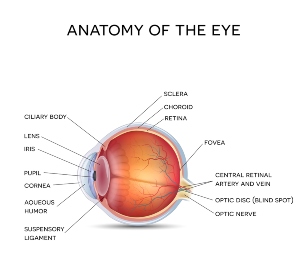
Non-arteritic anterior ischemic optic neuropathy (NAION) is often described as an “eye stroke” and is the most common cause of acute optic nerve damage in adults over 50. It occurs when blood flow to the optic nerve becomes reduced or blocked.
The optic nerve carries visual information from the eye to the brain, and damage to the nerve can lead to sudden vision loss. Because NAION can cause permanent vision impairment, recognizing the warning signs and seeking prompt medical attention is important.
Warning Signs of NAION
- Sudden, painless loss of vision in one eye
- Blind spots or missing areas of vision
- Tunnel vision
- Blurred or dim vision
- Reduced color perception
- Vision problems noticed upon waking
The FDA advises patients to contact their healthcare provider immediately if these symptoms occur.
Potential Complications of NAION
- Permanent vision impairment
- Vision loss in one eye
- Loss of independence
- Inability to work
- Loss of driving privileges
- Ongoing medical treatment and monitoring
- Emotional distress and reduced quality of life
Which GLP-1 RA Medications Are Affected?
The FDA’s warning applies to the entire GLP-1 receptor agonist class, including:
- Ozempic (semaglutide)
- Wegovy (semaglutide)
- Rybelsus (semaglutide)
- Mounjaro (tirzepatide)
- Zepbound (tirzepatide)
- Other GLP-1 medications used to treat diabetes and obesity
The FDA decision follows a review of clinical trials, real-world patient data, and published studies.
What Are GLP-1 Receptor Agonists? GLP-1 RAs help lower blood glucose levels after eating and act in parts of the brain that control appetite and food intake. GLP-1 RAs are widely used to treat people with type 2 diabetes or to reduce excess body weight.
Can Vision Loss From a GLP-1 RA Drug Lead to a Legal Claim?
Drug manufacturers have a responsibility to adequately warn patients and healthcare providers about known or reasonably foreseeable risks. When they fail to do so, injured consumers may pursue a dangerous drug claim or other forms of product liability litigation.
As more information becomes available regarding the connection between GLP-1 RA medications and NAION, individuals who suffered serious vision complications may have questions about whether they have legal options. Every situation is different, and an attorney can evaluate the specific facts of a potential claim.
Contact Nash & Franciskato
 If you or a loved one experienced sudden vision loss, NAION, or other serious eye complications after taking Ozempic, Wegovy, Mounjaro, Zepbound, or another GLP-1 RA medication, Nash & Franciskato may be able to help.
We represent individuals harmed by dangerous medications and other defective products. If you believe a GLP-1 RA medication contributed to your vision loss or eye injury, our attorneys can review your situation and explain your legal options during a free, no-obligation consultation.
Contact (877) 284-6600 or contact us online to schedule a free and confidential case evaluation.
START YOUR FREE CASE EVALUATION TODAY
Resources
- FDA Drug Safety Communication
- Do GLP-1 Drugs Like Ozempic Cause or Prevent Vision Loss, American Academy of Ophthalmology
- FDA Requires Safety Labeling Changes for GLP-1 RAs Due to Potential Increased Risk of Rare But Serious Eye Condition, Endocrine News
Patients may also report adverse drug events through the FDA’s MedWatch program. However, filing a report with the FDA does not preserve or replace any legal rights you may have.